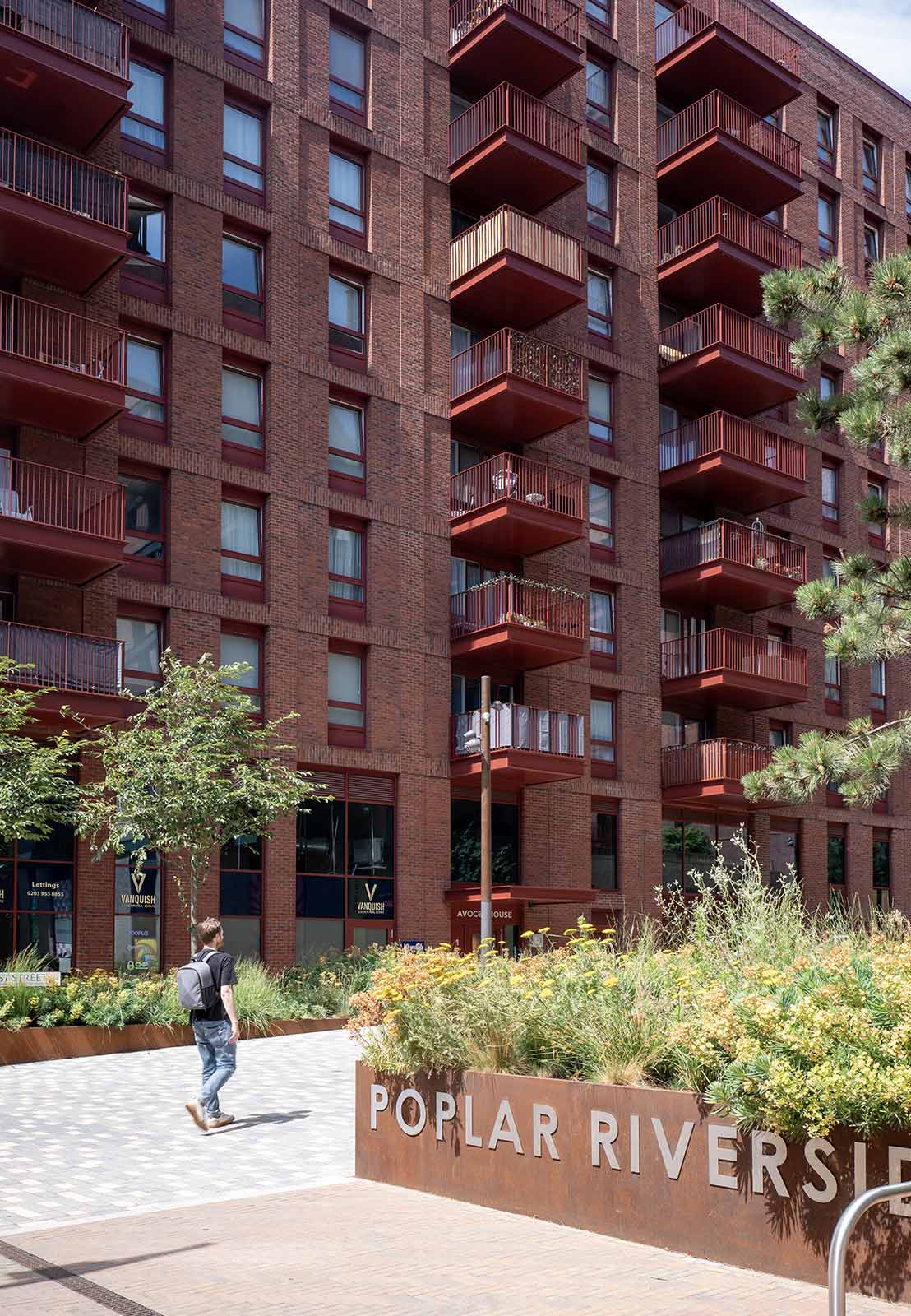
JTP’s award-winning work in urban regeneration showcases our ability to transform vacant brownfield sites, from former industrial yards to waterfronts and railway lands, into vibrant, mixed-use neighbourhoods that reconnect communities and restore the urban fabric, establishing new public realm.
Urban Regeneration

FAQs
A successful approach to urban regeneration balances commercial objectives, site constraints and deliverability from the earliest stage of the design. JTP offers a highly responsive service that is bespoke and tailored to suit client programmes and objectives. We work collaboratively to understand the site constraints, contamination challenges and local context translating these into a masterplan that maximises land value and achieves planning permission. Our teams are experienced in embedding brand and identity into places from the outset, giving your site a competitive edge.
Good placemaking directly increases the value of urban regeneration projects – making it more attractive to future residents, businesses, investors and more deliverable through the planning process. JTP’s approach to placemaking – establishing a strong narrative, sense of identity, creating vibrant public realm and designing attractive mixed-use environments – increases the desirability and value of a place. We incorporate efficiencies and repetition in design to keep costs competitive without compromising on design quality. Through the development process, the JTP team lead multi-disciplinary teams to ensure every design element works cohesively.
Programme certainty and planning confidence are critical to the success of any urban regeneration project. We have a proven track record of working to challenging deadlines across large and complex urban projects. We understand the importance of planning certainty to your investment, and our experienced team is skilled in successfully navigating complex consenting processes. We manage stakeholder engagement, design evolution and technical detail simultaneously to keep your project on programme.
Contaminated or constrained urban sites are approached through early technical assessment, so that any issues are costed and designed around from the outset. Understanding constraints including contamination, infrastructure and servicing challenges is a core part of JTP’s feasibility and masterplanning process.
At JTP, we work closely with infrastructure engineers from an early stage to ensure constraints are accurately costed and addressed, protecting viability and budgets. This pragmatic, technically grounded approach gives our clients confidence that the design is buildable and fundable. We have an extensive portfolio of working through sites with such complexities including Rugeley Power Station where the Power Station’s previous functions left a legacy of structures and conditions that had to be gradually removed and remediated before transformation could occur.
JTP has decades of experience transforming redundant urban sites into thriving mixed-use neighbourhoods including The Green Quarter, Southall; Poplar Riverside; and Rugeley Power Station. We combine collaborative, community-led design processes with a commercial focus, helping clients unlock value and achieve planning consent more quickly. Our team deliver Outline and Detailed Planning Applications, Design Codes, Supplementary Planning Guidance and Area Frameworks alongside detailed building design. From our extensive experience, we can lead and coordinate complex teams, giving clients a single, trusted point of accountability throughout the project.