If we struggle, imagine how the public feel
This is the central tension that doesn’t get talked about enough in our industry. The people planning and delivering community engagement events face the exact same barriers as the people they’re trying to reach. Childcare, working patterns, competing responsibilities – these don’t disappear just because you happen to be on the other side of the display boards.
When we’re trying to set a date for an engagement event, the conversation in the room often involves the client and consultant team quietly negotiating their own diaries and childcare arrangements before we’ve even considered the public. If that’s the reality for the people organising the event, that difficulty is being multiplied across the entire community we’re hoping to reach.
“Being a parent doesn’t define my personality – but it definitely defines my calendar.”
This isn’t a niche problem. For a significant portion of the population, the timing, location and format of a standard engagement event simply doesn’t work. Recognising that internally – honestly, not as a box-ticking exercise – is the first step to designing events that actually reach people.
Timing is everything – rethinking when we engage
The instinct to avoid school holidays for engagement events is understandable, but it’s increasingly outdated – at least when it comes to half terms. During the shorter breaks, people tend to stay local. Routines are relaxed. The community is actually present in a way it often isn’t on a wet Tuesday evening in November.
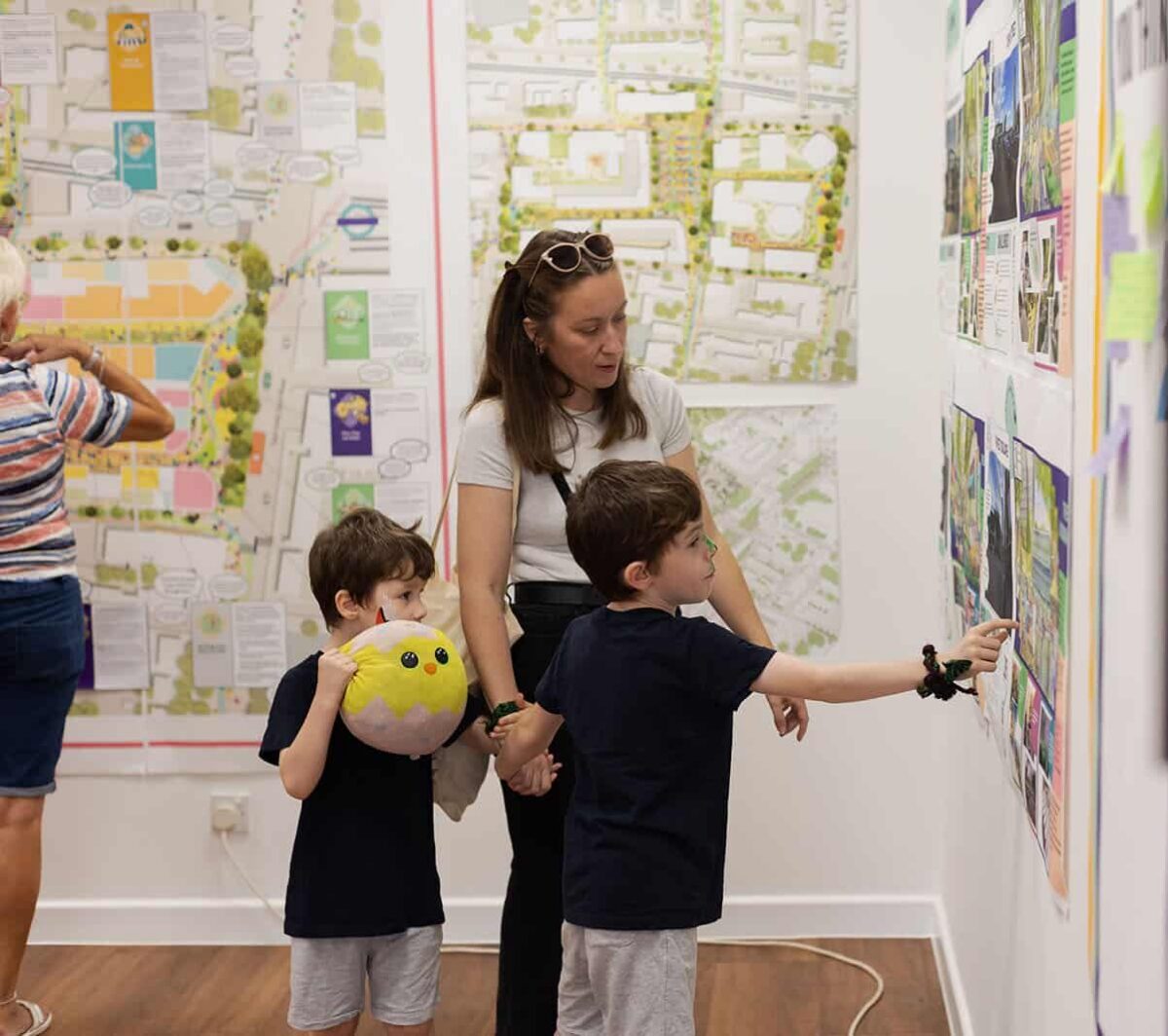
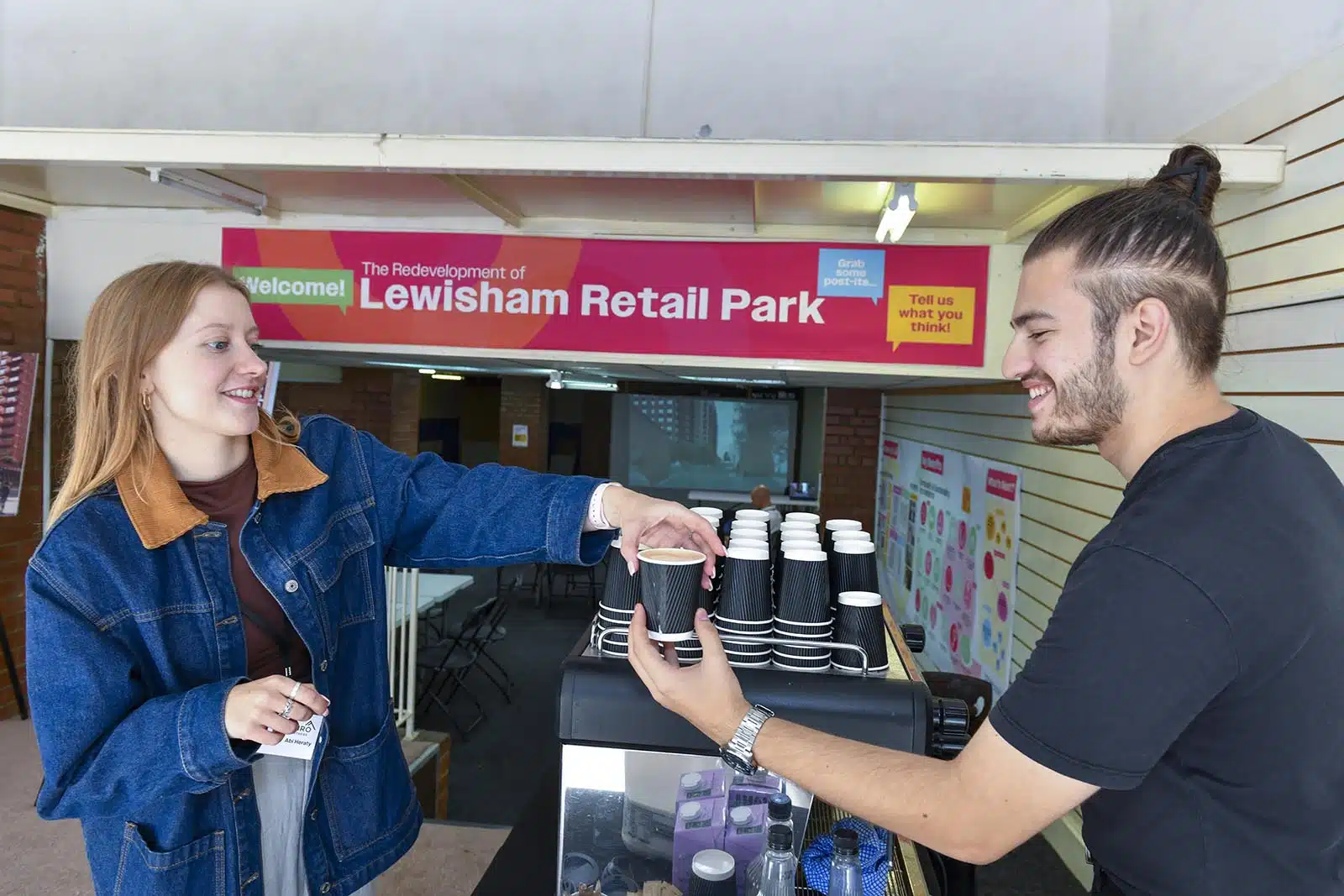
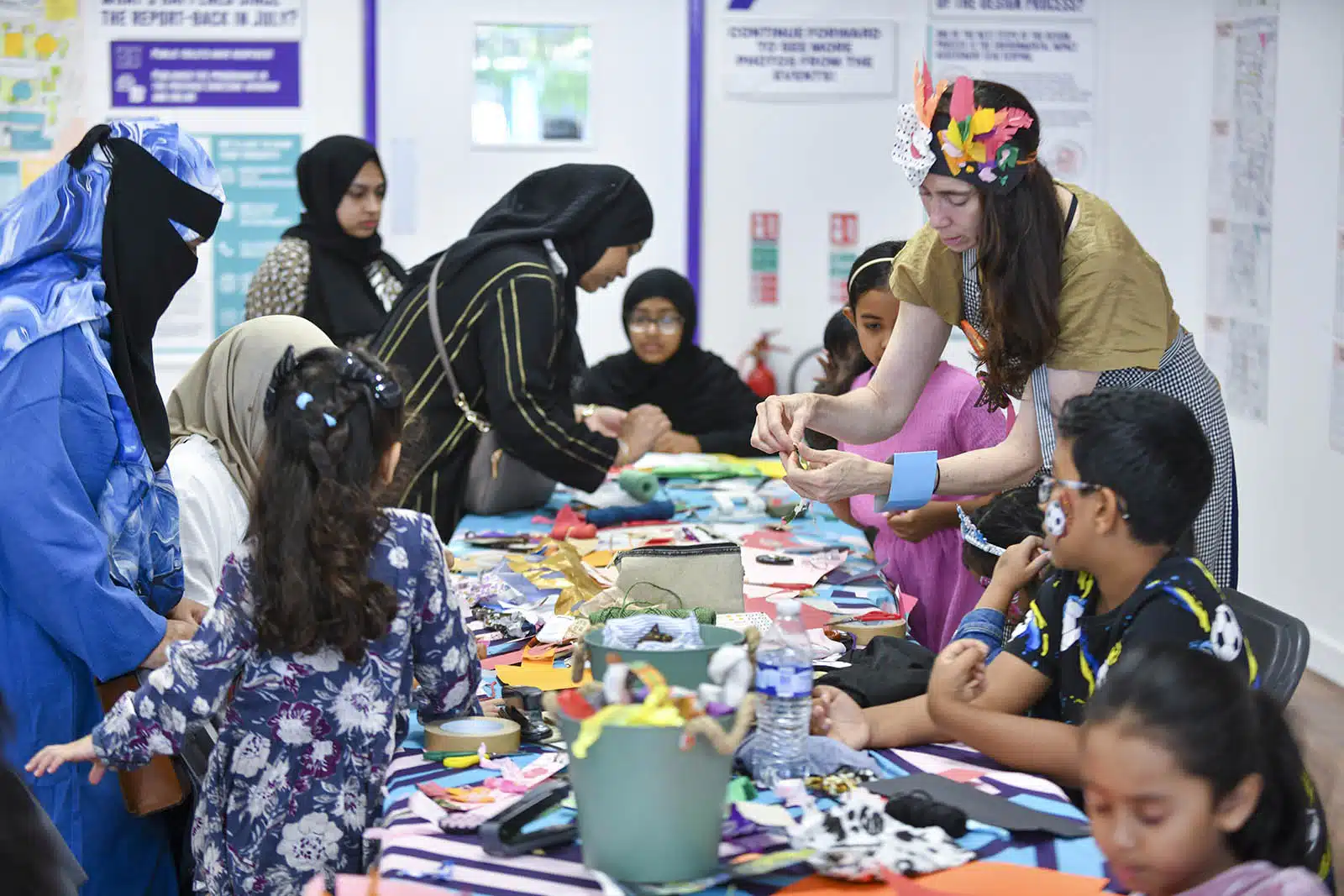
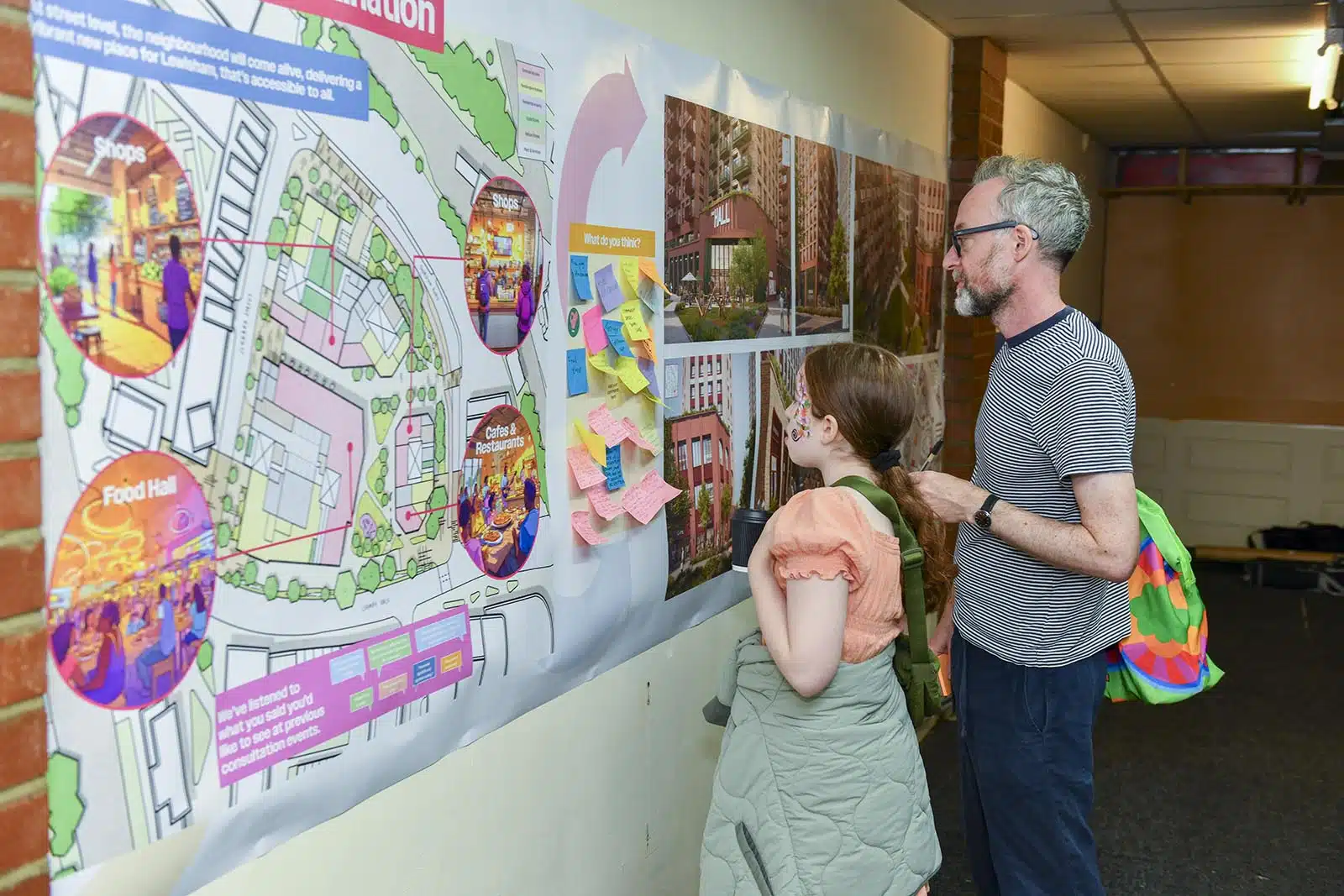
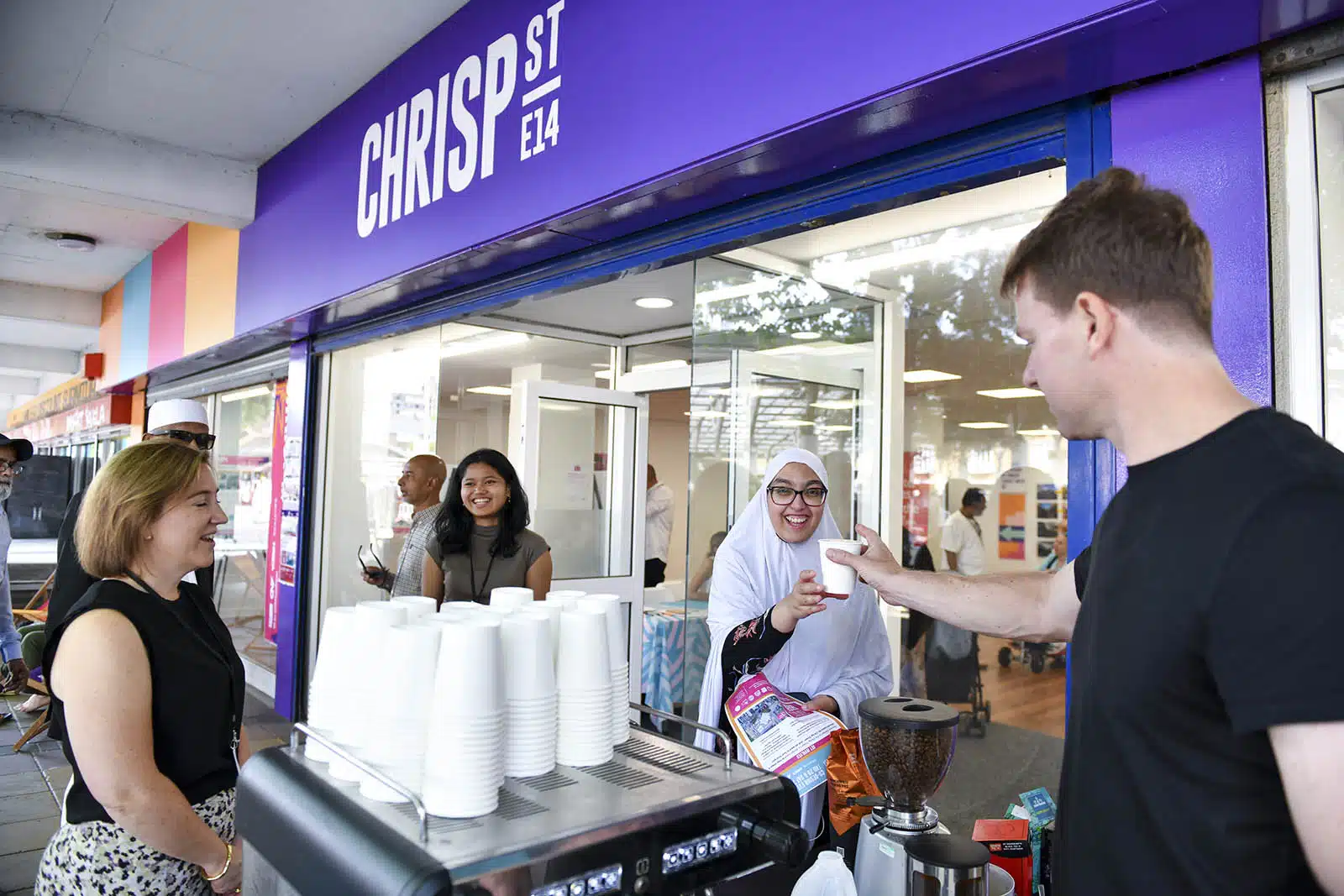
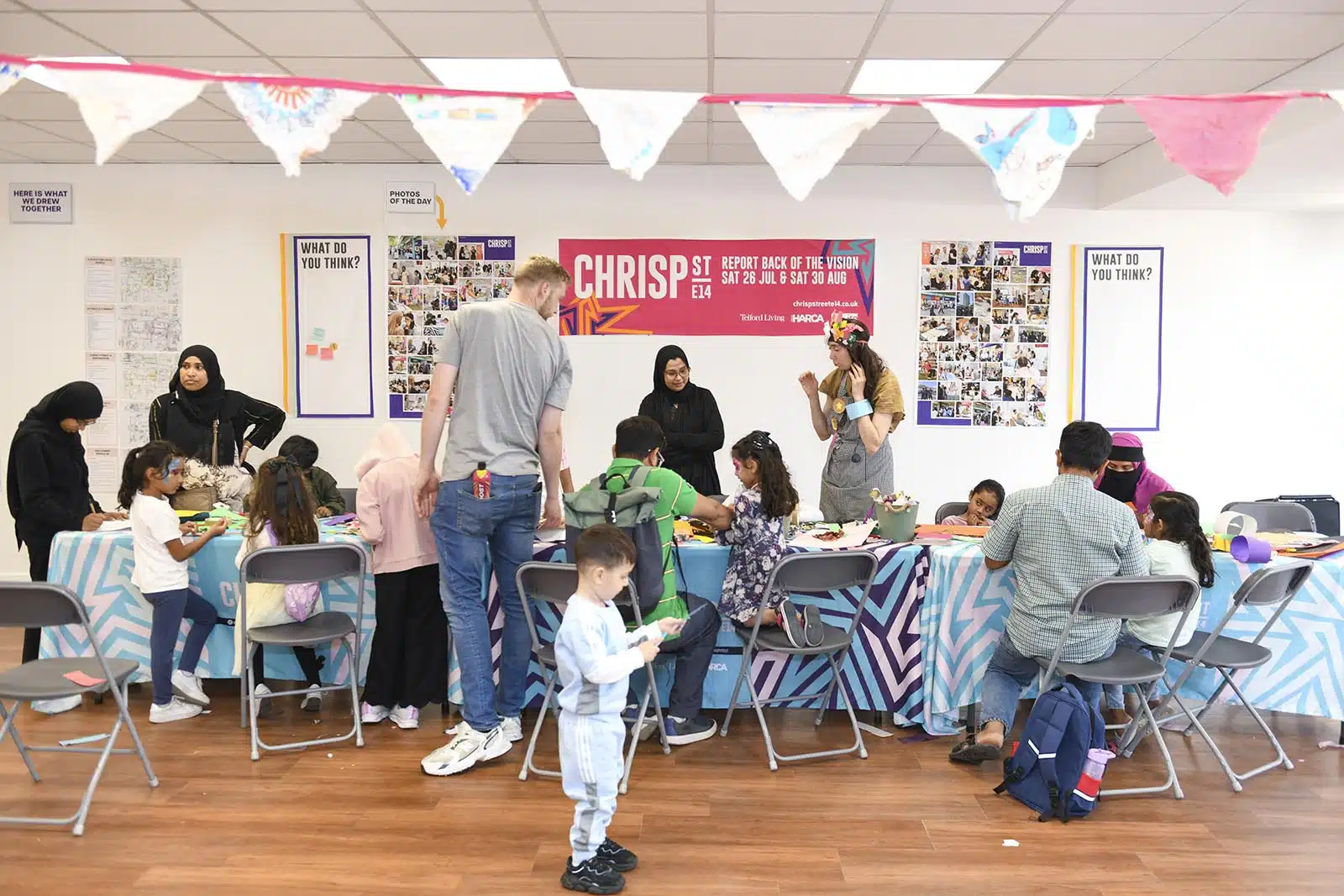
Our team has seen this work at Chrisp Street Market, where we ran a co-design event during October school half term. We had a face painter in the room, free coffee and the numbers that came through the door were genuinely phenomenal – people we simply wouldn’t have reached any other way. The community was buzzing with people, the market was busy, and families who were already out and about just wandered in. Summer holidays are a different story. Families are away, schedules are unpredictable, and – let’s be honest – the team needs a break too. That’s a legitimate consideration, not an excuse.
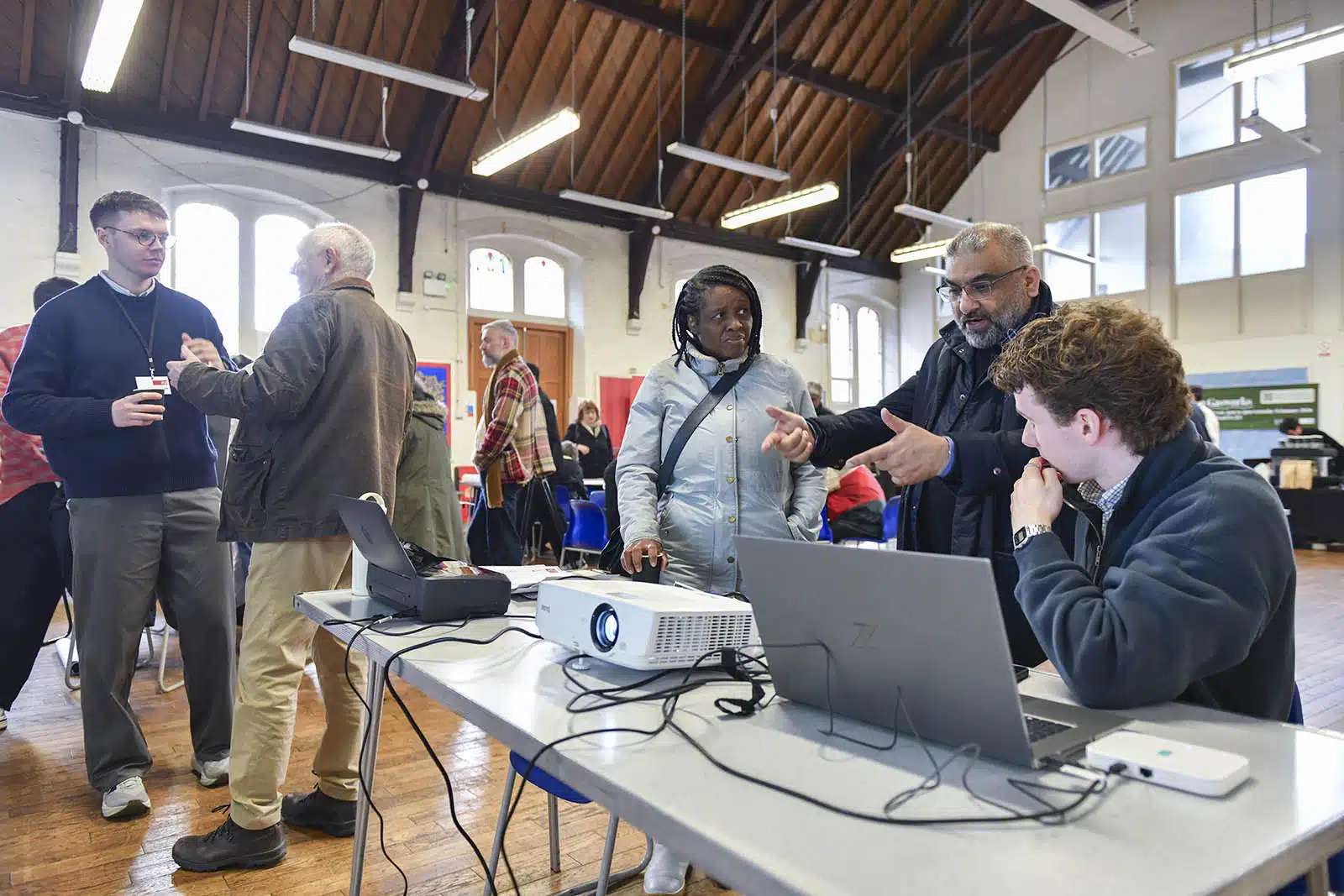
Weekday evenings still have their place, particularly for reaching people who work weekends. But they don’t need to be exhausting marathon sessions. A team that’s been on their feet all day is not going to be at their best for hour eight, and neither are the people attending after a long day at work. Keep them focussed, keep them time-limited, and they can still be genuinely productive.
Then there’s the online evening session – the 6 or 7pm webinar that looks accessible on paper. In practice, if you have children at home who need feeding, bathing and putting to bed, that window is one of the hardest parts of the day to give to an event. It’s worth questioning whether this format is as inclusive as it appears.
There’s also a group we sometimes design events around without realising it – what you might call the ‘time rich’. These are the people who will come regardless of when or where an event is held. Good engagement isn’t about designing it for them. It’s about thinking harder to reach everyone else. And that’s exactly what JTP Engages does.