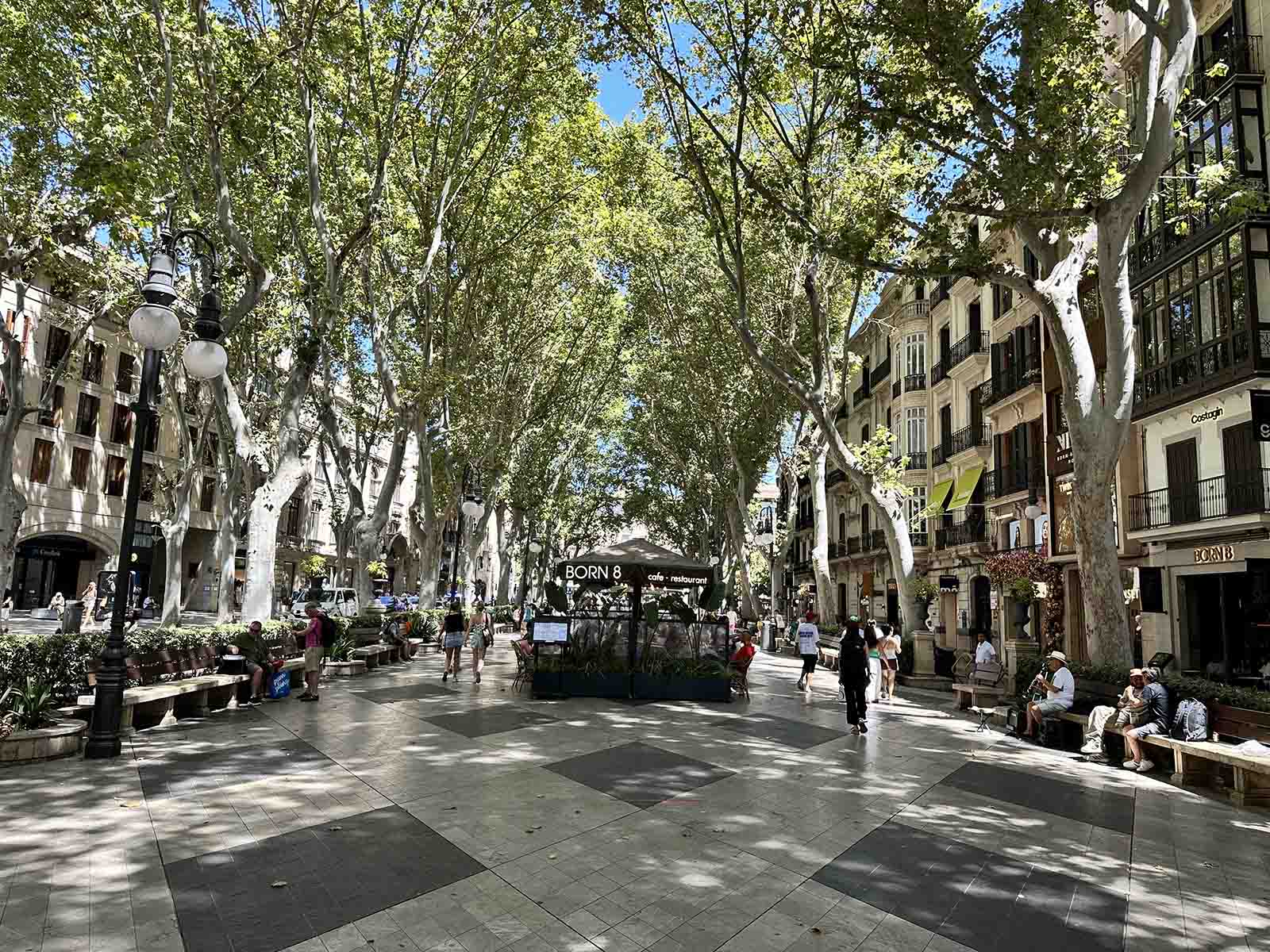
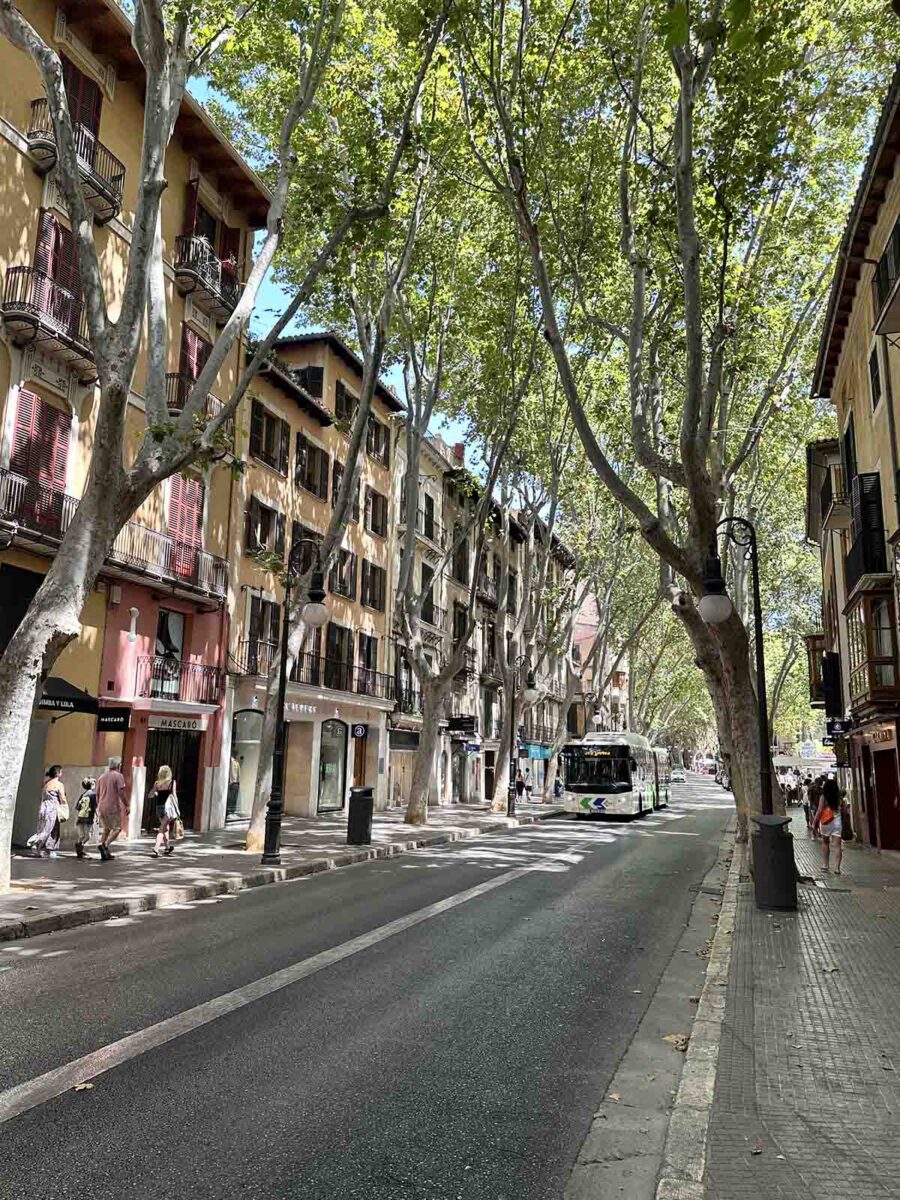
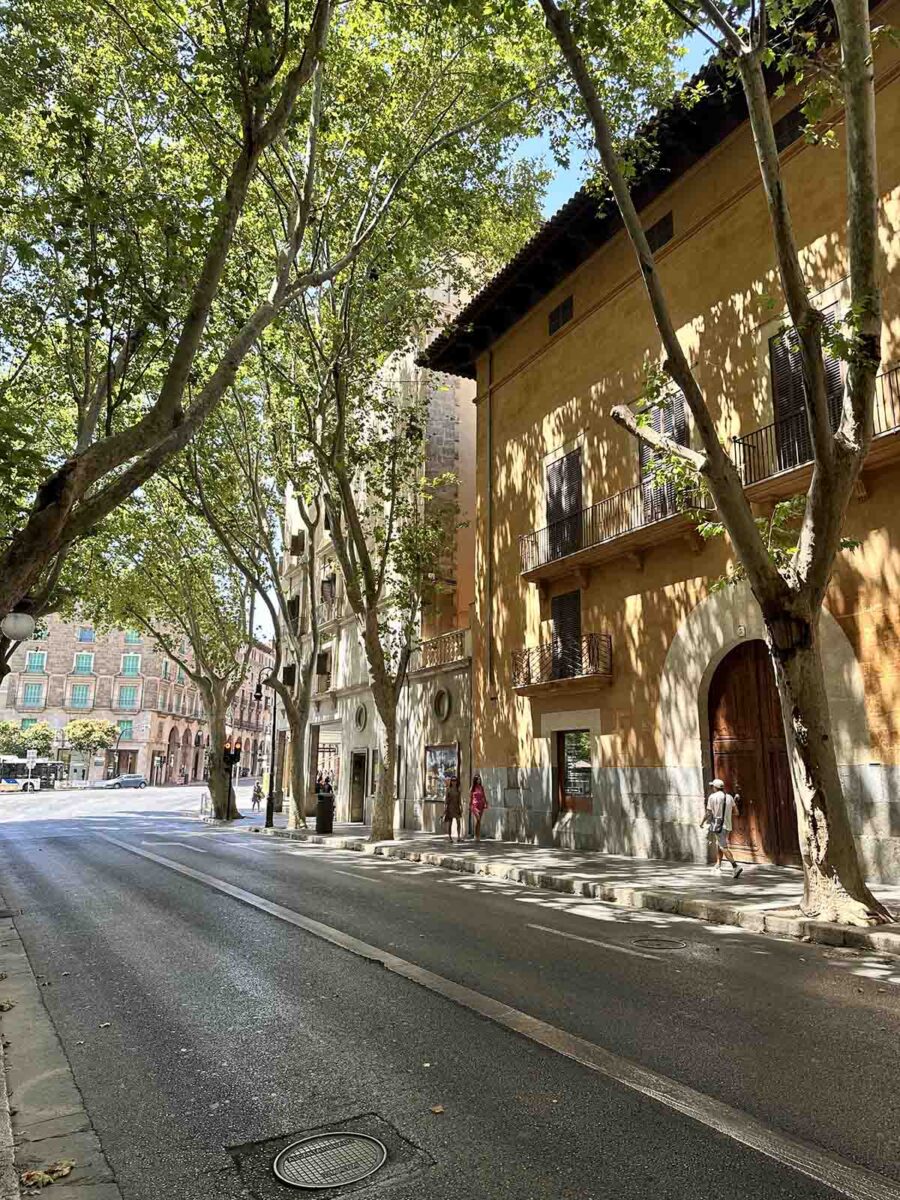
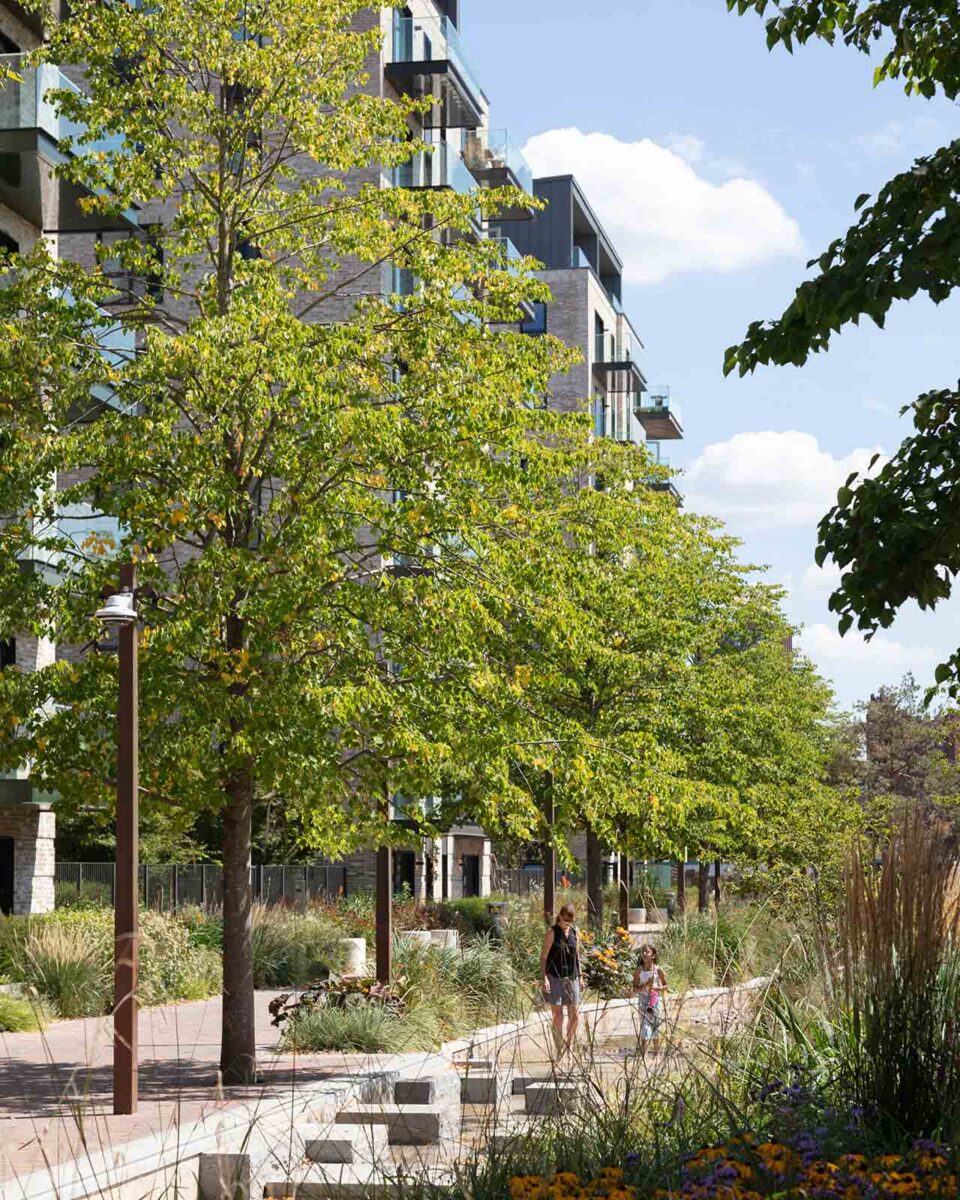
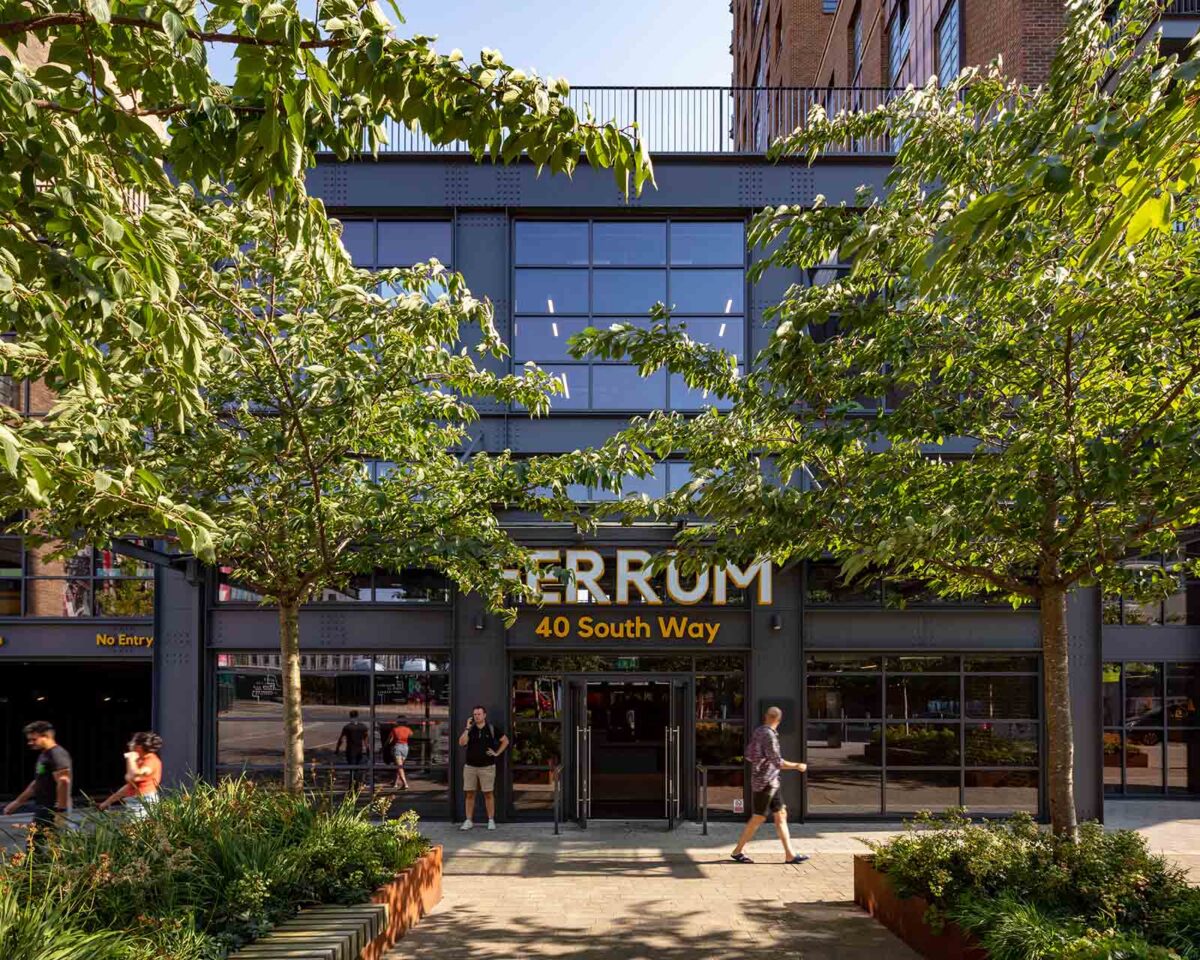
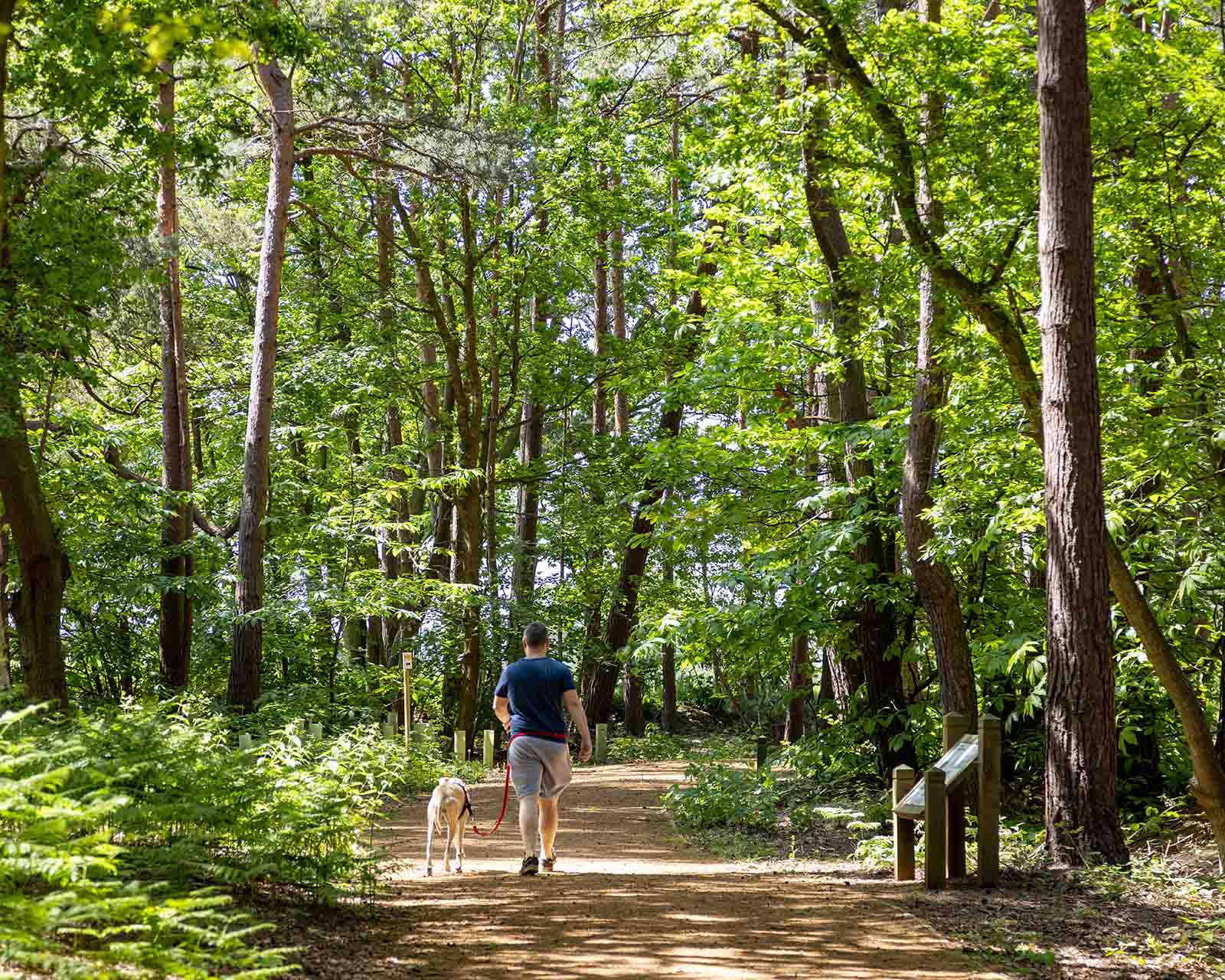
Because trees give so much back. They shade streets and public spaces, cool the air, soften the hard edges of urban life and help reduce the urban heat island effect that makes built-up places so much hotter, especially at night. Research shows that neighbourhoods with higher canopy cover can be up to 4°C cooler during a heatwave than those with less. That is not just an environmental benefit. It is a public health issue, a question of equity and increasingly a test of how well we design places for everyday life.
Think about what that means in practice. Shaded playgrounds where children can safely play through the heat of a summer afternoon. Orchards and productive trees woven into the fabric of a neighbourhood, offering food, foraging and the quiet pleasure of something growing. Streets and parks where people simply feel better because the evidence on trees and mental health is now hard to ignore. And underneath all of this, an equity question that does not go away. Poorer communities consistently have less access to green space and we can reasonably assume, less tree cover too. The places that need trees most often have the fewest.
For me, there was one particularly encouraging note in the findings: Guildford, my hometown, emerged as the greenest UK entry in the dataset, with 36.9% tree cover; one of only two UK places above the European average. It was heartening to see. But it also raises an important question: if places in the UK can achieve that level of canopy cover, why are so many others still falling so far short?
Part of the answer, I think, is that we too often treat trees as an afterthought and an expense. They are brought in late, once the ‘real’ decisions have already been made or removed completely due to cost constraints and burdens of long-term management. Too often the conversation is reduced to planting numbers, as though a tally of saplings on a plan tells us everything we need to know. But climate resilience is not a numbers game. What matters is whether trees are given the space, good quality soil, water and care they need to thrive and whether they are allowed to mature.
That is why established trees matter so much. Mature trees do not just look better, they do more. They provide deeper shade, greater cooling, immediate presence and a stronger sense of character. They can make a new place feel rooted from the outset. If we are serious about creating neighbourhoods that are resilient, liveable and genuinely loved, then we need to think not just about planting trees, but about growing canopy over time.
Growing canopy takes ambition and planning ahead. Some of the most exciting approaches we are seeing involve using development land as productive meanwhile space: nurturing and maturing trees on site before construction begins, so they can be transplanted at meaningful scale when the time comes. The Green Quarter Tree Nursery in Southall, London is a compelling example of this here in the UK. It’s a meanwhile place in its own right, as well as a long-term investment in the landscape to come. The Arada tree nursery in the UAE operates at an almost unbelievable scale and is worth attention for anyone serious about what genuine ambition in this space can look like. These are not isolated experiments. They are a signal of what it means to treat trees not as a late addition, but as a foundational commitment.